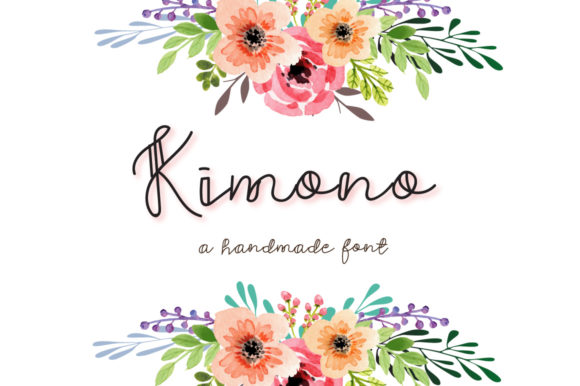
Kimono: A Handwritten Font That Brings Playful Delicacy to Creative Work
In a world where digital communication often leans toward minimalism and efficiency, the charm of handwritten fonts like Kimono offers a refreshing contrast. This elegant, playful font captures the essence of hand-drawn elegance with its delicate strokes and light feel, making it a powerful tool for anyone looking to infuse creativity into their projects. Whether you're a designer, marketer, educator, or hobbyist, Kimono has the potential to transform how you approach visual storytelling.
The Unique Appeal of Kimono
Kimono is more than just a font—it's an experience. Its design draws inspiration from traditional Japanese calligraphy, blending soft curves with a sense of movement that feels both modern and timeless. The font’s playful nature comes through in its varied letterforms, which can shift slightly depending on context, giving it a natural, organic feel.
What makes Kimono stand out is its ability to balance subtlety with impact. Unlike heavier, bolder fonts that dominate attention, Kimono invites readers to slow down and engage with the text on a more personal level. This quality is especially valuable in creative fields where emotional resonance and aesthetic appeal are key.
For professionals who rely on typography to communicate ideas clearly and effectively, Kimono offers a unique solution. It can be used to highlight key messages, add personality to branding materials, or enhance the visual appeal of websites and social media content without overwhelming the reader.
Why Kimono Fits Into Modern Trends
As remote work and digital collaboration become more prevalent, the need for expressive, visually engaging tools has grown. Kimono fits seamlessly into this trend by offering a way to humanize digital content. In a landscape dominated by rigid, corporate fonts, Kimono brings warmth and individuality to the table.
Moreover, the rise of minimalism in design has made users more sensitive to visual clutter. Kimono's light, airy feel aligns perfectly with this preference, allowing it to stand out without being intrusive. This makes it ideal for use in UI/UX design, social media graphics, and even email marketing campaigns where clarity and aesthetics must coexist.
Another factor driving interest in Kimono is the growing appreciation for handmade and artisanal elements in digital spaces. As consumers seek authenticity and uniqueness, fonts like Kimono offer a way to connect with audiences on a deeper level. This is particularly relevant for entrepreneurs and small businesses looking to build a distinct brand identity.
Practical Applications of Kimono
Whether you're designing a website, creating a social media post, or working on a print project, Kimono can elevate your work in several ways:
- Branding: Use Kimono to create a memorable logo or tagline that reflects your brand’s personality.
- Marketing Materials: Incorporate Kimono into brochures, flyers, or presentations to add a touch of elegance and playfulness.
- Social Media: Leverage Kimono for Instagram captions, Twitter bios, or TikTok text overlays to stand out in a crowded feed.
- Education: Teachers and educators can use Kimono to make learning materials more engaging and accessible.
- Freelancing: Freelancers in design, writing, or content creation can use Kimono to differentiate their work and attract clients who value creativity and originality.
One practical example is using Kimono in a blog header or title to immediately draw readers in. The font’s delicate nature encourages readers to linger, making it perfect for content that requires thoughtful engagement.
How Kimono Evolves With User Needs
As user expectations continue to shift, so too does the role of typography in digital experiences. Kimono has evolved to meet these changing needs by offering greater flexibility and adaptability. Designers can now customize the font’s weight, spacing, and style to suit different contexts, ensuring it remains relevant across various platforms and applications.
This evolution reflects a broader trend in the design industry: the move toward more personalized and context-aware tools. Kimono is not just a static font; it’s a dynamic element that can be tailored to fit the specific goals of any project. This adaptability makes it a valuable asset for creators who want to maintain consistency while also experimenting with new ideas.
Additionally, as technology advances, the accessibility of fonts like Kimono continues to improve. With cloud-based design tools and open-source font libraries, more people than ever before have access to high-quality, customizable typography options. This democratization of design empowers individuals and small businesses to create professional-looking content without requiring extensive technical expertise.
Realistic Examples and Recommendations
To get the most out of Kimono, consider the following examples and best practices:
- Use it sparingly: While Kimono is beautiful, it’s best used in moderation. Save it for headlines, quotes, or key phrases rather than entire paragraphs.
- Pair it wisely: Combine Kimono with a clean, sans-serif font for a balanced look. This ensures readability while maintaining the font’s distinctive character.
- Test on different devices: Make sure Kimono looks great on all screen sizes and resolutions. Some fonts may appear differently on mobile versus desktop, so always preview your work.
- Experiment with spacing: Adjust letter and word spacing to enhance readability and visual harmony. Too much or too little spacing can affect the overall feel of the text.
- Consider your audience: Think about who will be viewing your content. Kimono may be more appropriate for younger audiences or creative industries, while other fonts might be better suited for formal or professional settings.
By applying these principles, you can ensure that Kimono enhances your work without overshadowing it. The key is to let the font’s natural charm guide your design choices rather than forcing it into every corner of your layout.
Conclusion
Kimono is more than just a font—it’s a statement. Its playful and delicate charm brings a sense of warmth and individuality to digital content, making it a valuable addition to any creator’s toolkit. As trends continue to evolve and user preferences shift, fonts like Kimono will remain relevant because they offer something unique: a way to connect with audiences on a more personal level.
Whether you're designing a brand, crafting a message, or exploring new creative possibilities, Kimono has the power to inspire and elevate your work. Embrace its light feel and let it guide you toward more meaningful and impactful designs.