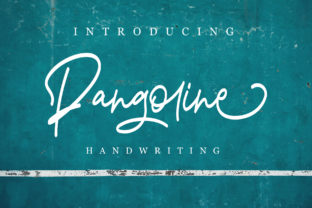
Sweet Dreams: The Handwritten Font That Feels Like a Hug in Type
If you’ve ever spent ten minutes scrolling through font libraries trying to find something that feels warm, genuine, and just *right* for your birthday card, small business logo, or classroom bulletin board—then Sweet Dreams isn’t just another font. It’s the handwritten typeface that lands softly, invites attention without shouting, and adds quiet charm to things people actually care about.
What Sweet Dreams Actually Is (and What It’s Not)
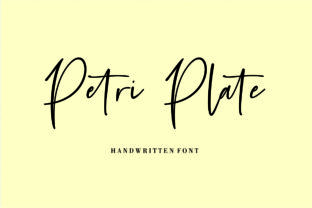
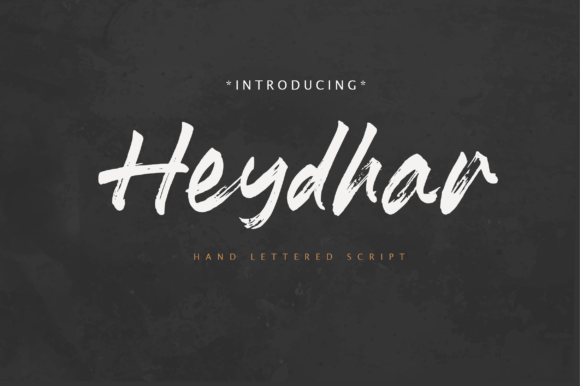
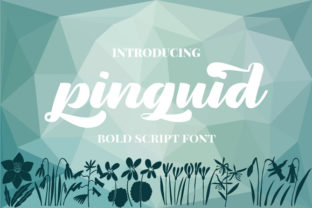
Sweet Dreams is a carefully crafted, playful handwritten font—not a script that tries to mimic calligraphy with rigid flourishes, and not a trendy “vintage” typeface full of forced imperfections. It’s light, bouncy, and consistently friendly, with subtle variations in stroke weight and natural-looking letter connections. Each character feels like it was drawn with a soft-tip marker on textured paper: relaxed but intentional, sweet but never cloying.
It comes in one clean, well-spaced style (no bold or italic variants), which keeps it focused and cohesive. That simplicity is intentional—and useful. You won’t waste time debating which weight to use. You’ll know, instantly, when Sweet Dreams fits.
For Small Business Owners Building Warmth Without Words
Think of the local bakery that posts its weekly “Saturday Specials” on Instagram. A clean sans-serif feels efficient—but doesn’t reflect the smell of cinnamon rolls or the owner’s handwritten chalkboard sign. Drop in Sweet Dreams for the dessert names (“Lemon Lavender Loaf”, “Honey-Almond Scone”) and suddenly the post breathes. Customers don’t just read—it feels personal, handmade, trustworthy. Same goes for product labels, thank-you cards tucked into orders, or even the “About Us” section on a Shopify site where tone matters as much as inventory.
For Educators Making Learning Feel Lighter
A third-grade teacher designing a “Reading Rewards Chart” doesn’t need corporate polish—she needs clarity *and* joy. Using Sweet Dreams for student names or milestone phrases (“You Read 10 Books!”) makes the chart feel celebratory, not clinical. It works just as well for printable flashcards, classroom rules posters, or digital slides in Google Slides—especially when projected on an interactive whiteboard. Kids respond to warmth in typography the same way they do to tone of voice. Sweet Dreams helps educators signal, “This is fun. You belong here.”
For Freelancers & Creators Who Sell Feeling, Not Just Files
If you design Canva templates, sell printable planners on Etsy, or craft email newsletter graphics for coaches and wellness pros, Sweet Dreams quietly elevates your work. A habit tracker with Sweet Dreams headers feels more inviting than one in Helvetica. A gratitude journal cover using Sweet Dreams suggests reflection—not rigidity. Clients notice the difference in how your designs *land*, even if they can’t name why. And because it’s legible at medium sizes and scales well from mobile screens to printed PDFs, it holds up across formats without extra tweaking.
For Everyday Users Adding Heart to Ordinary Things
You don’t need a design degree to use Sweet Dreams meaningfully. It’s the font you choose when drafting a heartfelt birthday message inside a physical card. Or when labeling jars of homemade jam for neighbors. Or when making a “Welcome Home” sign for your partner after a long trip. In those moments, typography isn’t decoration—it’s emotional shorthand. Sweet Dreams says, “I made this for you,” before a single word is read.
When It Might Not Be the Right Fit (And Why That’s Okay)
Sweet Dreams thrives in spaces where approachability matters—but it’s not built for every job. Avoid it for dense body text (like blog posts or legal disclaimers), technical documentation, or anything requiring strict readability at small sizes. It also doesn’t replace a strong brand font system; think of it as a supporting voice—not the lead singer.
Before downloading or purchasing, ask yourself: Is this for a headline, title, short phrase, or decorative element? If yes, it’s likely a match. If you’re setting paragraphs of instructions, captions under complex infographics, or multilingual text with extended diacritics, check the character set first—Sweet Dreams covers basic Latin characters and common punctuation, but not extended language support.
How to Use It Well (Without Overthinking It)
You don’t need design software mastery. Sweet Dreams works smoothly in free tools like Canva, Google Docs (via upload), and PowerPoint—and shines in Adobe Creative Cloud apps for deeper control. A few practical tips:
- Pair it thoughtfully: Contrast Sweet Dreams with a neutral, highly readable sans-serif (like Inter, Open Sans, or Montserrat) for balance—headings in Sweet Dreams, body text in the sans.
- Give it room: Its charm lives in spacing. Don’t crowd it. Use generous line height and margins, especially on social graphics or printables.
- Keep color simple: Soft pastels, warm neutrals, or even black on cream paper let the handwriting quality shine. Avoid overly busy backgrounds that compete with its texture.
- Test in context: Paste your phrase into a mockup of where it’ll live—e.g., on a phone screen, a sticker, or a folded greeting card—before finalizing.
Why It Sticks Around (Beyond the First Impression)
Fonts come and go, but Sweet Dreams endures because it solves a quiet, persistent need: helping people express care through design—even when they’re not “designers.” It lowers the barrier between intention and execution. You don’t have to be skilled at hand-lettering to evoke that same sincerity. You don’t need a big budget to make something feel handmade.
That’s especially valuable now—when so many of us communicate through screens, yet crave human connection. A newsletter subject line in Sweet Dreams stands out in a crowded inbox not because it’s flashy, but because it feels like a note slipped under your door. A workshop flyer using Sweet Dreams for the instructor’s name signals approachability before anyone reads a word about the content.
It’s not about trendiness. It’s about resonance. And for creators, teachers, shop owners, parents, and everyday people who want their words to carry warmth—not just information—Sweet Dreams remains one of those rare tools that feels like finding the right word, exactly when you need it.