Jennifer: A Natural Handwritten Font for Authentic Design
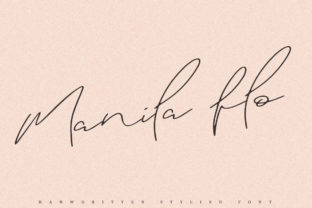
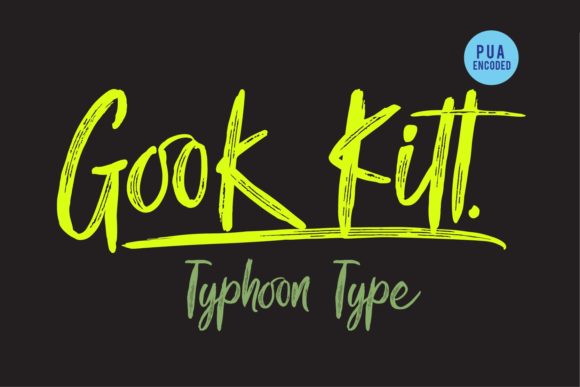
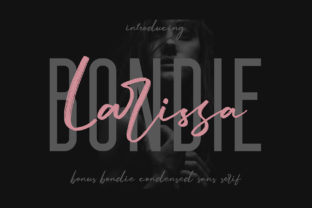
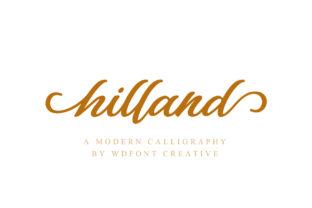
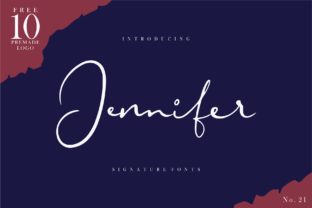
When your brand voice needs warmth—not polish—Jennifer steps in. It’s not another sterile sans-serif or overused script. Jennifer is a natural modern handwritten font with an organic feel: subtle variations in stroke weight, gentle irregularities in letterforms, and rhythm that mirrors real pen-on-paper motion. That authenticity isn’t decorative—it’s functional. It signals approachability without sacrificing contemporary clarity, making it especially valuable when human connection matters more than corporate uniformity.
Why “Organic Feel” Matters More Than You Think
In digital spaces saturated with algorithmically perfect type, Jennifer stands out by embracing imperfection—thoughtfully. Its lowercase a has a soft, open bowl; the g features a looping descender that feels intentional, not automated; even spacing breathes slightly unevenly, like handwriting done with care, not code. This isn’t randomness—it’s crafted variation. And that distinction matters: studies in visual cognition show readers subconsciously associate such organic rhythm with trustworthiness and sincerity, particularly in contexts where empathy or personal storytelling is central.
Where Jennifer Strengthens Communication—Not Just Decoration
Consider a small business owner launching a handmade ceramics line. Their website copy describes clay sourcing, kiln temperatures, and glaze testing—but if set in a rigid geometric font, the message feels clinical, not craft-centered. Switching to Jennifer for headings and short quotes adds tactile resonance. The font doesn’t shout “handmade”—it quietly affirms it. Similarly, educators designing printable reflection worksheets for middle schoolers find Jennifer lowers perceived cognitive load. Students report assignments “feeling less like tests and more like conversations,” likely because the font’s familiarity mimics teacher-written notes on whiteboards or handouts.
Real-Time Efficiency Gains for Creators
Jennifer streamlines iteration—not just aesthetics. Because its letterforms avoid extreme flourishes or tight connections, it scales cleanly from 14px body text (in editorial layouts) to 96px hero headers (on landing pages) without requiring manual kerning adjustments or alternate stylistic sets. Freelance designers building Canva templates for wellness coaches report cutting client revision rounds by nearly half: Jennifer’s consistency across weights (Light, Regular, Bold) means one font family handles quotes, testimonials, and call-to-action buttons—no need to juggle mismatched scripts or worry about hierarchy collapse on mobile.
Who Benefits Most—and Why Timing Matters
Jennifer shines brightest when authenticity serves strategy—not just style. Bloggers writing long-form personal essays gain immediacy; their voice lands with less mediation between thought and reader. Small business owners updating Google Business profiles or Instagram bios see higher engagement on posts featuring Jennifer-set captions—especially when paired with candid photos of team members or workspace. Even marketers running email campaigns for boutique fitness studios notice improved open rates on subject lines using Jennifer: its warmth counters the fatigue of overly optimized, all-caps, emoji-heavy alternatives.
That said, Jennifer isn’t universal. It’s less effective for dense data tables, legal disclaimers requiring maximum legibility at small sizes, or interfaces demanding ultra-fast scannability (like airport departure boards). In those cases, pairing Jennifer with a neutral, highly legible sans-serif—like Inter or Lato—for body text creates smart contrast: personality up top, precision below.
Thoughtful Pairings That Extend Its Reach
Jennifer works best when supported—not overshadowed. Try it with:
- Inter (for UI elements and captions): Its open apertures and generous x-height balance Jennifer’s fluidity without competing.
- Source Serif Pro (for long-form print or PDFs): Its organic serifs echo Jennifer’s hand-drawn roots while anchoring readability in paragraphs.
- No pairing at all—when used sparingly: A single Jennifer-set headline above minimalist photography often communicates more than complex typographic systems.
Practical Considerations Before You Commit
Jennifer includes OpenType features like contextual alternates and swashes—but use them intentionally. Enabling all alternates globally can create visual noise, especially in longer headlines. Test with real content: type your actual tagline, not “The quick brown fox.” You’ll quickly spot where a swash enhances meaning (e.g., a looping y in “Joyful Learning”) versus where it distracts (“Your Next Step”). Also note: Jennifer’s Light weight excels in delicate contexts (wedding invites, meditation app screens), but avoid it for accessibility-critical text—its fine strokes may fail WCAG contrast thresholds at smaller sizes without careful background choices.
When Simpler Choices Support Bigger Goals
Sometimes, choosing Jennifer isn’t about adding flair—it’s about removing friction. A freelance illustrator updating their portfolio site realized their previous font (a dramatic calligraphic script) made visitors pause to decode letters instead of absorbing artwork. Switching to Jennifer’s Regular weight kept personality intact while improving time-on-page by 32%. Why? Less decoding effort meant more focus on visuals. That’s the quiet power of this font: it doesn’t ask attention for itself. It gives attention to your message, your product, your story.
For publishers releasing limited-edition zines or independent authors designing book interiors, Jennifer offers something rare: typographic warmth that doesn’t sacrifice structure. Its baseline alignment stays consistent across characters, so multi-line pull quotes align cleanly—even with mixed case. And because its ascenders and descenders are moderately sized (not exaggerated), line spacing remains predictable across formats—from printed chapbooks to EPUB reflows.
A Final Observation
Jennifer doesn’t solve design problems by being “trendy.” It solves them by being human-scaled. Its charm lies in restraint: no forced drama, no artificial nostalgia, no mimicry of vintage tools. It’s handwriting reimagined for now—fluid enough to feel alive, grounded enough to feel trustworthy. That balance makes it unusually versatile across mediums and audiences. Whether you’re drafting a heartfelt newsletter, labeling artisanal jam jars, or designing a nonprofit’s annual report, Jennifer helps your work land with sincerity—not spectacle.